Trending Update Blog on Best New Zealand gifts for kids – The Aotearoa Chronicles
The Aotearoa Chronicles: Turning a New Zealand Storybook into a Family Keepsake
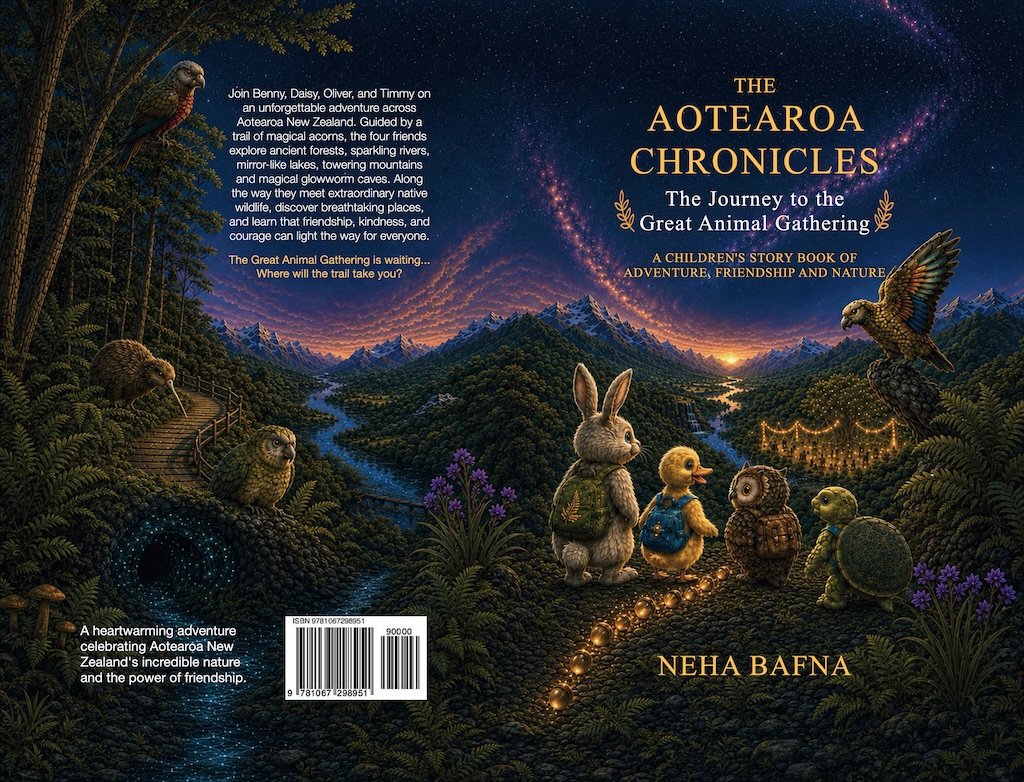
One of a child’s most treasured keepsakes is frequently something they can enjoy using. A present can create excitement when it is first opened, while a storybook offers another opportunity for enjoyment with every reading. Readers begin to recognise the characters, some pages invite readers to return repeatedly, and the reading experience slowly becomes associated with whoever originally shared the story.
For households thinking about The Aotearoa Chronicles, this personal connection provides a helpful place to begin. Rather than choosing a book simply because it represents New Zealand, reflect on the reading experiences the book could create. A story featuring an animal adventure inspired by Aotearoa might become a familiar part of bedtime reading, a reminder of a family journey or a gentle introduction to a place the child has yet to visit.
Choosing the most meaningful book comes down to the individual reader. Their interests, the way they enjoy stories and the opportunities for reading together matter more than a broad claim that any single title suits everyone.
Begin with the child’s interests, then consider the destination
An association with a particular place can add personal meaning to a present, yet that connection alone seldom defines the entire experience. Young readers generally revisit stories because something in them captures their interest. It may be a character from the animal world, a journey to somewhere that sparks curiosity or the excitement of finding out what unfolds next.
The Aotearoa Chronicles follows four animal companions travelling towards a gathering. Its friendship-led adventure provides a useful point of comparison for grown-ups comparing several possible gifts. A child who enjoys imagining animals talking and exploring together might have different preferences from a reader drawn to factual stories about machines or outer space.
Think about the books the child already chooses without prompting. Do they linger over pictures, show curiosity about the characters or take pleasure in anticipating the next part of the adventure? Observing these preferences can help adults choose an appropriate reading experience without reducing the decision to a fixed age label.
A New Zealand connection then adds another layer. This connection could come from family heritage, a recent journey or an interest in somewhere far away. The most suitable choice brings together this personal significance and the child’s existing interests.
A common destination creates something for readers to look forward to
Stories built around a journey provide an easy-to-follow direction: characters set out, move through an unfamiliar world and work towards somewhere they want to reach. That structure can help adults invite participation without needing to stop the narrative after each sentence.
Within The Aotearoa Chronicles, the four companions travel towards the Great Animal Gathering, giving readers something to anticipate. An adult might pause at a natural break and ask the young reader how they picture the upcoming gathering. The answer need not be correct to make the exchange worthwhile.
Making predictions also allows young readers to reconsider their ideas. A young reader may form an early expectation, recognise a new clue and consider another possibility. This can turn listening into an active experience while preserving the enjoyment of the adventure.
Even so, involvement should always be encouraged rather than required. Certain children enjoy listening without interruption when hearing a story for the first time and talk about its events once the reading is finished. Other children prefer offering their thoughts as the story progresses. Responding to these preferences makes reading feel inviting instead of becoming an obligation.
Create a relaxed atmosphere for the first reading
The first encounter with a book does not need to cover every page. A child could remain interested in looking at the cover for several minutes, raise questions about the book’s title or become interested in a single illustration. Such moments help the child begin developing a connection with the story.
Select a time that allows the child to explore their curiosity comfortably. Reading immediately before leaving the house can make it harder to accommodate the child’s natural rhythm. A peaceful afternoon or a calm evening can create a more suitable atmosphere for shared reading.
Begin by allowing the child to explore whatever catches their attention. Instead of offering explanations about the whole story beforehand, leave room for discovery. Read the first part while observing what captures their interest, which might include asking questions, laughing, listening carefully or wanting to revisit a picture.
If their attention starts to wander, the reading can end naturally at a suitable point. Several shorter reading sessions may gradually make the book feel familiar. Completing the story in one sitting matters less than making reading something the child enjoys returning to.
Use an imagined adventure to encourage observations about the real world
A New Zealand-inspired adventure may spark interest in the place where it is set, although imaginative storytelling and factual information have different roles. Talking animal companions belong to an imaginative world. Their presence does not establish which species are native to a particular landscape.
Understanding the separation between fact and fiction can help grown-ups continue the reading experience. Once the story has been enjoyed, family members could investigate a different question related to birdlife, forests or natural water features through suitable information-based resources. The story supplies the spark; further learning supplies the detail.
Not every moment of the story has to become an educational exercise. Sometimes a child simply wants to enjoy the characters’ company. At different moments, a spontaneous enquiry might encourage conversation about how a fictional setting relates to the wider world.
Aotearoa carries cultural importance that goes further than its appearance in a fictional story. Adults can approach that meaning with care, choosing reliable material when children ask further questions. An invented adventure may encourage a child’s initial interest without being expected to explain an entire country.
Give the book a place in the family’s own story
A keepsake becomes more personal when there is a reason behind its selection. The motivation may be something uncomplicated: the giver recalled the young reader’s interest in animal stories, hoped to commemorate a holiday spent together or wanted to share a connection with a meaningful family destination.
A short handwritten message inside the book can preserve that connection. It could mention a walk enjoyed together, the celebration that inspired the present or the hope that the reader will enjoy many adventures through stories. Specific memories usually mean more than a general statement about choosing a special present.
If the book is presented to a child after visiting New Zealand, reading together could help bring back experiences from the holiday. They might remember a woodland path or a moment spent watching birds. These associations come from the family’s experience, rather than needing to match the fictional events exactly.
Children who have never been to New Zealand can still build a personal connection. The book may represent someone thinking carefully about their interests and picked a book with the intention of sharing it.
Consider future readings when selecting a present
Choosing a present frequently involves focusing on the excitement of unwrapping it. With books, it helps to imagine the second or fifth reading as well. Who might read with the child? Where will the book be kept? Could the story become part of an established reading habit?
Parents and relatives comparing the best New Zealand gifts for kids may find that these practical questions clarify their choices. A book can create more occasions for shared enjoyment when the recipient enjoys reading or has someone willing to share it regularly. The experience becomes more meaningful through continued involvement.
Each reading session may unfold in its own way. The first experience may focus on following the story from beginning to end. A subsequent session may centre on one of the child’s preferred companions or an illustration the child previously overlooked. A different session might encourage the child to describe a favourite scene using their own language.
Reading a familiar book again does not mean grown-ups must create something different on every occasion. Recognising familiar moments can bring pleasure on its own. At times, the best response is to read the chosen story once more while giving it proper attention.
Encourage conversations about friendship with open-ended questions
An adventure involving several companions can prompt conversations about travelling together, noticing others and working towards a shared goal. These discussions may work especially well when the young reader notices the underlying ideas without prompting.
Instead of expecting one fixed lesson from the story, consider questions based on observations the young reader has already made. Which of the characters would they choose to travel alongside? Which things might make travelling with friends pleasant? What could be difficult when several characters want different things?
Questions like these encourage children to relate the adventure to situations they recognise. One may think about sharing decisions with a sibling. Another may remember helping a friend join an activity. The conversation can follow those connections without suggesting that the fictional adventure contains exactly the same events.
Try not to provide all the answers before giving the young reader an opportunity to think. A moment of quiet thinking might produce a surprising comment. If the child wants to continue listening instead, that preference is worth respecting. Enjoying a story does not depend on discussing all its themes.
Think about lasting enjoyment when choosing a souvenir
While considering the best New Zealand souvenirs for kids, consider what each object invites a child to do after returning home. Some souvenirs are designed chiefly to be looked at. Different keepsakes can encourage play, everyday use or activities enjoyed together. Books provide opportunities for stories and discussions.
For this reason, The Aotearoa Chronicles may be a suitable option when choosing for a child who likes animal characters and illustrated journeys. Its connection with Aotearoa can provide a reminder of place, while the unfolding journey encourages future readings beyond the moment the gift is presented.
The book’s practical features should still be taken into account. Before selecting any book, check its physical format and available sample pages where possible. Assess whether the quantity of writing, visual design and storytelling style match the reader’s preferences. Such features deserve careful consideration instead of being taken for granted.
A souvenir can hold personal significance without reflecting an entire destination. Sometimes one clear connection is enough: a natural setting that inspired the child’s curiosity, an experience shared with family or an interest they want to explore further.
Use “best” as a question about suitability
Searches for the best children’s books in New Zealand can bring together very different expectations. One person may prefer a story that children can read on their own. Someone else might want a picture-rich adventure suitable for reading together. A third may prioritise a connection to a family occasion.
Each Best New Zealand gifts for kids – The Aotearoa Chronicles of these requirements is different and should be considered individually. The Aotearoa Chronicles may be evaluated by looking at its animal characters, collective adventure and Aotearoa-inspired setting. Such elements give readers a more practical way to assess suitability than treating a search phrase as evidence of a recognised ranking.
Reading accessible descriptions and sample pages may reveal whether the story suits the intended reader. If the decision depends on age suitability, edition information or the publication format, check that information carefully before finalising the choice.
Another consideration is the difference between the giver’s interests and the reader’s preferences. The person giving the book could appreciate its link to a meaningful place, even though the young reader might focus more on the travelling companions. A thoughtful selection may satisfy both perspectives without expecting them to value exactly the same thing.
Extend the reading experience through uncomplicated activities
Families can keep a story meaningful without planning extensive projects. Once the story ends, the young reader could illustrate an imagined gathering, think up an additional travelling companion or talk about the things they might bring on an imaginary adventure.
These activities work best when they follow an existing interest. When a child takes pleasure in drawing, keep some paper within reach. If they prefer telling stories, listen while they invent a new scene. Adults do not have to adjust each small detail or follow the original story precisely.
Everyday experiences outside the home can also inspire new links to the adventure. A tree-lined trail or a still stretch of water could remind the child of the pleasure of exploring an imagined landscape. The comparison can remain playful.
Adults need not extend every reading session. Sometimes closing the book and enjoying a quiet moment together is enough. The aim is to leave room for the story to matter in the child’s own way.
Conclusion
For families interested in a New Zealand-inspired animal adventure, The Aotearoa Chronicles provides a story to consider. Whether it makes an appropriate gift or memento depends largely on what the child enjoys and the experiences that grow around the book. Select the book by considering the individual reader, make space for an unhurried first reading and let repeated readings gradually build a sense of familiarity. A thoughtfully selected book can preserve the pleasure of a fictional adventure alongside the memories of reading together.